
Brazil's harvestmoves on diesel.Own the trade.
Nearly a third of the diesel that fuels the Brazilian harvest is bought abroad. AgroLeanEnergy finances those cargoes and pays quarterly dividends in USDC on the profit of every litre delivered — 100,000 tokens, $100 each, open to a wallet anywhere in the world.
- Target net yield
- 10–15%
- per year, paid quarterly in USDC
- Per cycle
- 3–10M L
- diesel delivered into Brazil
- Cycle length
- 7–10 days
- self-liquidating, then redeployed
- Entry price
- $100
- fixed · 100K ALE ever
41 cycles settled to date · 248M litres delivered · illustrative preview data
The most unglamorous trade
in the world's biggest farm.
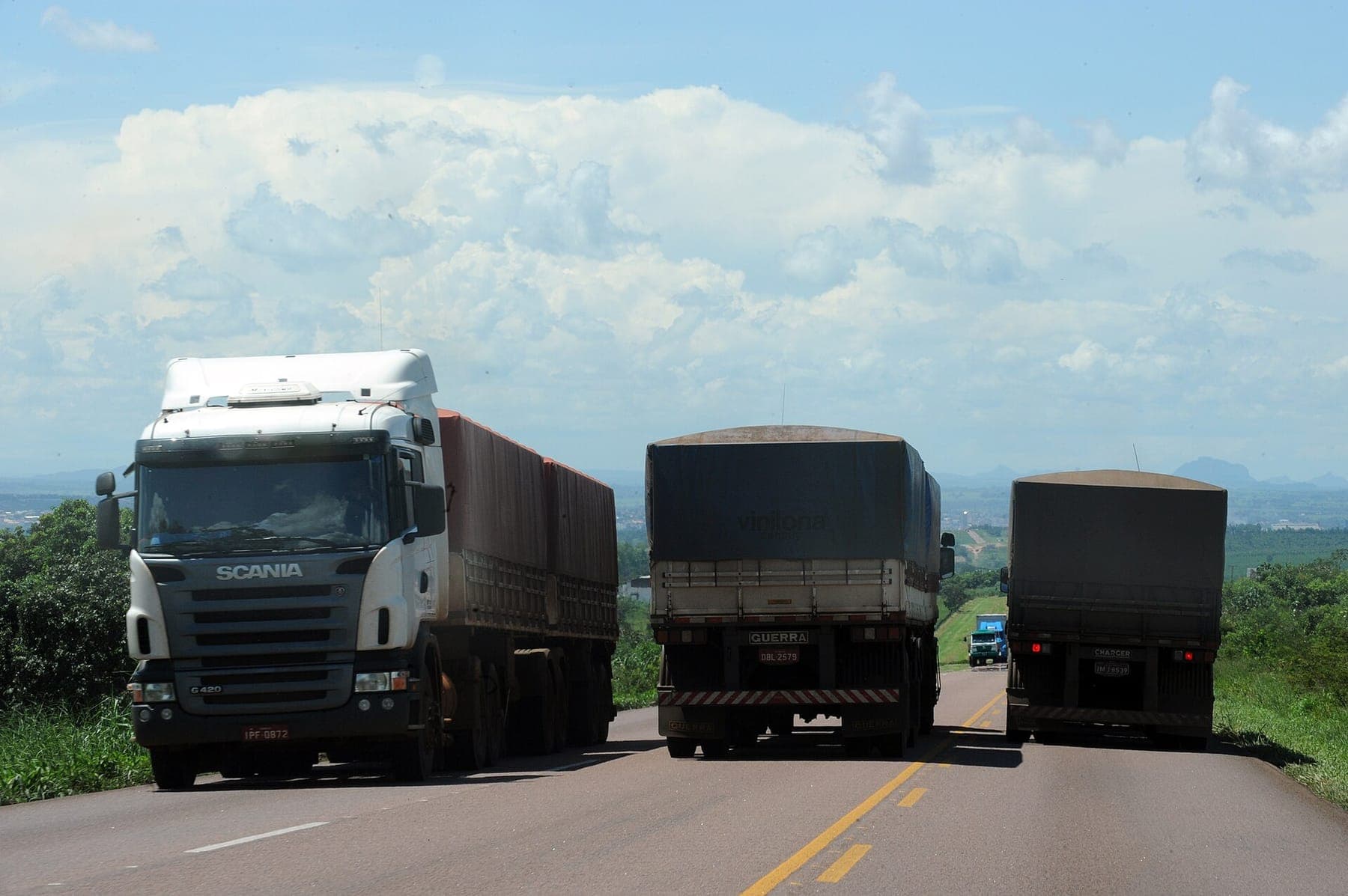
Brazil feeds a good share of the planet, and it does it on wheels. Grain leaves the interior by road long before it ever reaches a ship, and every one of those kilometres burns diesel that somebody had to buy, ship, insure and finance.
In 2026 the country will consume a record 70.8 million m³ of it — and it cannot refine enough. Close to a third arrives by tanker from the US Gulf and northwest Europe. Between the moment a cargo is paid for and the moment a Brazilian distributor settles the invoice, someone has to carry the cash.
Historically that someone was a bank, or a trading house whose balance sheet no outsider could reach. Basel III pushed the banks back and private credit stepped in. AgroLeanEnergy takes the next step and opens the same position to anyone with a wallet.
It starts on the farm
A soybean field in Mato Grosso runs on diesel long before it runs on anything else — planting, spraying, harvesting, then a thousand kilometres of road to the coast.
It clears through the ports
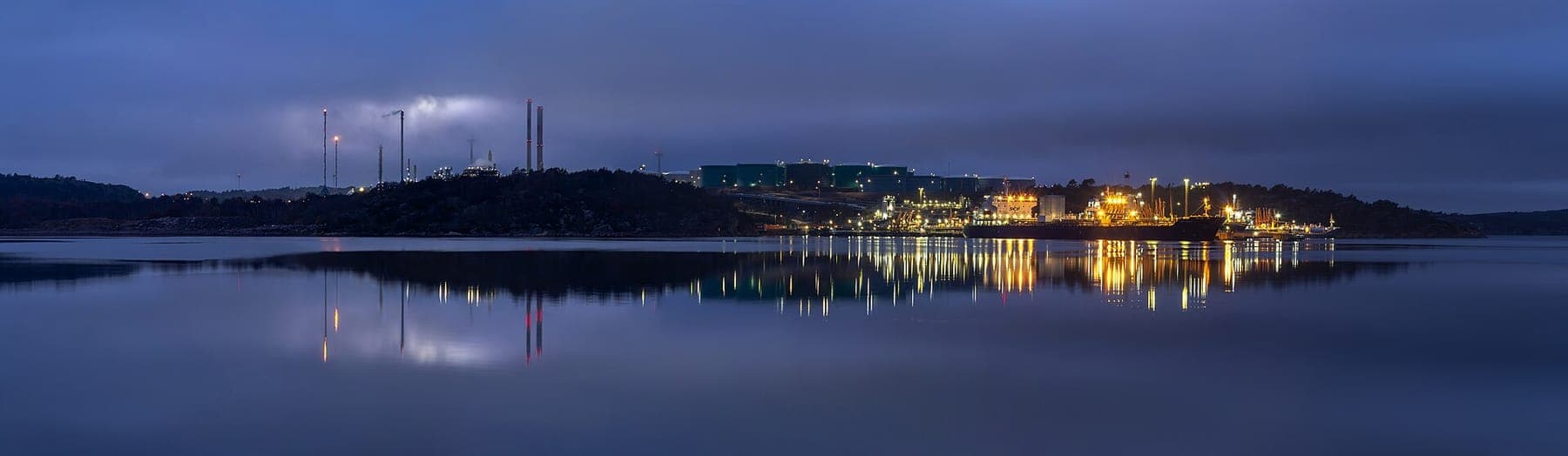
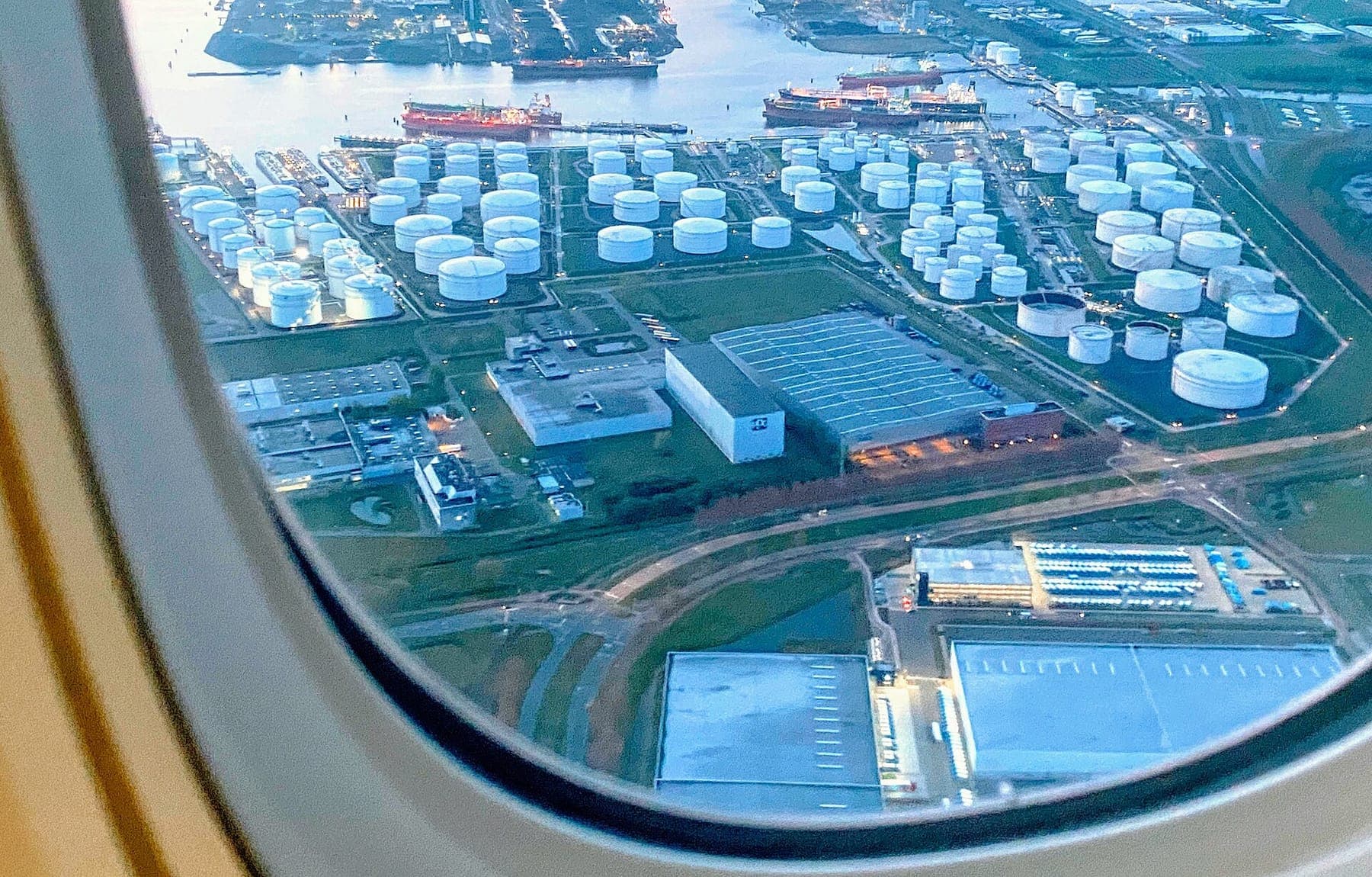
Cargoes arrive from Houston, Rotterdam and Amsterdam into Santos, Paranaguá, Itaqui and Suape, then move through bonded storage to distributors inland.
It was closed. Now it isn't
Financing these cargoes used to require a balance sheet and a relationship in Brazil. It now requires a wallet and USDC.
Where the demand begins
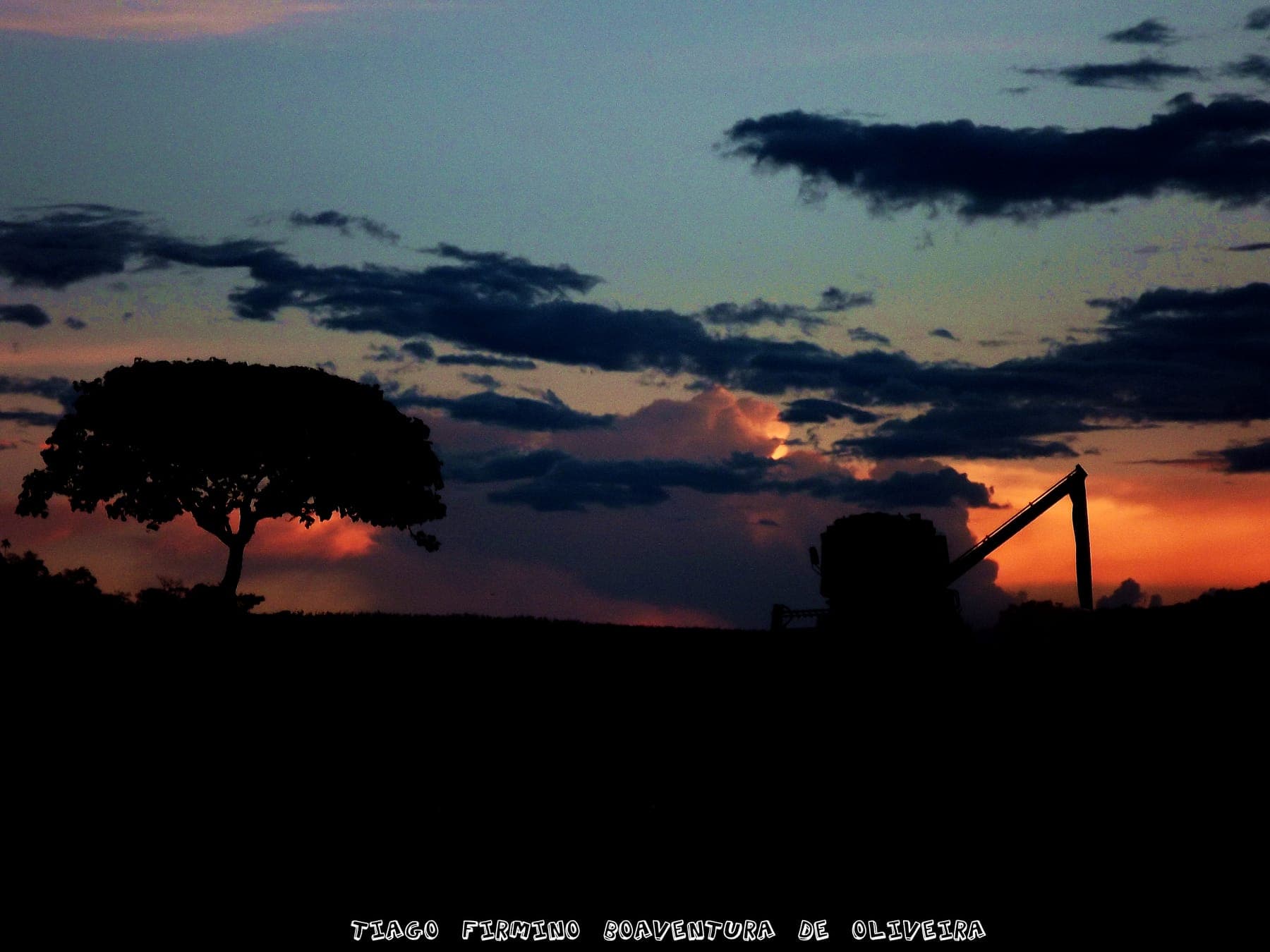
Harvest runs through the night in Goiás. The machines do not stop, and neither does the fuel bill.
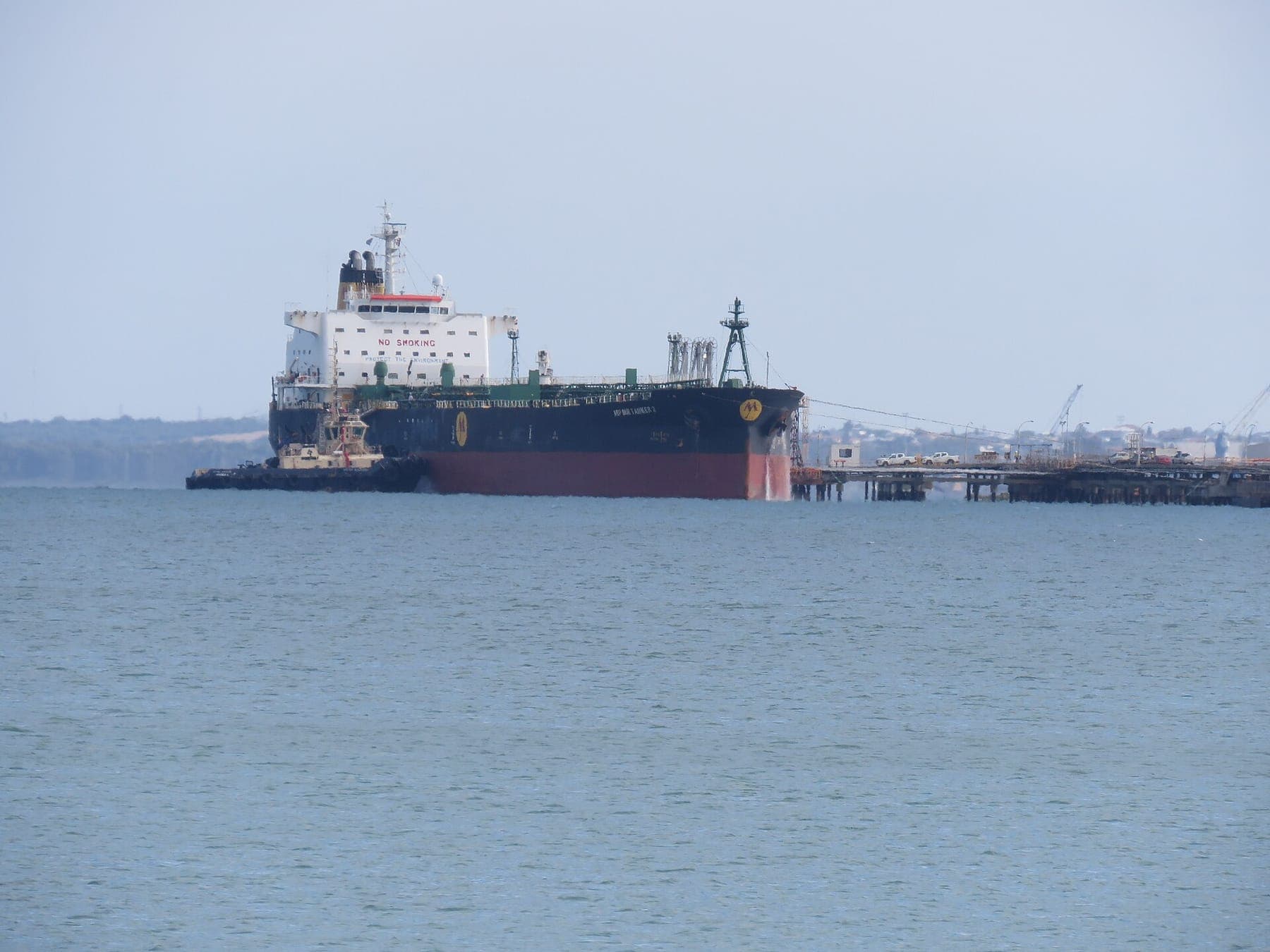
One cargo at a time: a product tanker carrying 3–10 million litres, with the Brazilian buyer already signed before the money leaves the treasury.
70.8M m³
Brazilian diesel demand in 2026
An all-time record, +1.9% year on year, pulled up by the soybean harvest and heavy road freight.
StoneX / ANP
29.3%
of national supply is imported
17.8M m³ of diesel A must be brought in from abroad — the largest import volume ever recorded in Brazil.
StoneX, 2026 base case
$2.5T
unmet global trade finance demand
Banks constrained by Basel III leave a structural gap. Private credit is filling it, and now so can you.
Asian Development Bank
7–10 days
per settlement cycle
Short, self-liquidating tenors. Capital is never locked in a multi-year story it cannot exit.
AgroLeanEnergy operating model
We don't need the price of diesel to move.We need four tenths of a cent per litre — around forty times a year.
Both sides of the trade are signed before a single litre moves. The desk is not speculating on Brent, on the real, or on the weather. It is collecting a thin, contractual spread on physical volume — and then collecting it again eight days later.
Purchase contract and offtake contract are executed in the same window. Price risk is closed at inception; what remains is counterparty and timing risk, which is insured and credit-limited.
Figures drawn from cycle ALE-042. Holders receive 50% of net profit, which is what turns a 20–25% gross operating return into a 10–15% net yield on ALE.
Where a diesel cycle sits
next to everything else.
Short-duration commodity trade finance has quietly become one of the better risk-adjusted yields available. The difference here is that the margin is not shared with a bank.
Not correlated to the token market
The cash flow comes from delivered litres and settled invoices, so it does not move with crypto sentiment.
Paid in USDC, not in more tokens
There is no emission schedule diluting you. Yield is distributed from realised profit or it is not distributed at all.
Duration measured in days
A cycle self-liquidates in 7–10 days. Capital is never trapped waiting for a multi-year story to play out.
Run your own numbers before you commit anything.
Every ALE is $100 and there are only 100,000 of them. Move the slider and see exactly what your slice of each cargo looks like.
Midpoint of the target range
ALE you hold
0
0.250% of total supply
Every quarter
$0
paid in USDC, automatically
- Dividends per year
- $3,125
- Total dividends over 3 years
- $9,375
- Capital returned + dividends
- $34,375
Your slice of an average cargo is 16,250 litres of diesel.
Enough to run roughly 74 hectares of soybean harvesting — every seven to ten days, all over again.
Illustrative only. Distributions depend on realised profit from completed cycles and are not guaranteed.
Five steps, and you can
audit every one of them.
Nothing about this model requires you to take our word for it. Each cycle is registered before it executes, published while it runs, and settled in public when it closes.
- 01
Register the operation on-chain
Each diesel cycle is registered as an on-chain record before a single litre moves: counterparties, volume, purchase price, pre-agreed offtake price and settlement window.
Cargo, insurance and offtake contracts hashed on-chain - 02
List the tranche
The cycle is published with its funding requirement and expected margin. Investors see the same numbers the trading desk sees, before capital is committed.
Fixed price, fixed supply, no hidden allocation - 03
Fundraise in USDC
Capital is raised against a fixed supply of 100,000 ALE at $100. Funds sit in the operation treasury until the cycle is cleared to execute.
Soft cap $1M · hard cap $10M - 04
Execute the trade
The desk buys the cargo, moves it through bonded storage and delivers to a buyer who signed before the cargo shipped. Three to ten million litres, seven to ten days.
Payment against delivery, insured cargo - 05
Distribute the yield
Principal returns to the treasury. Profit splits 50/40/10 — holders, operating partners, retained treasury — and holder dividends land in USDC automatically.
Quarterly, pro-rata, no claim step
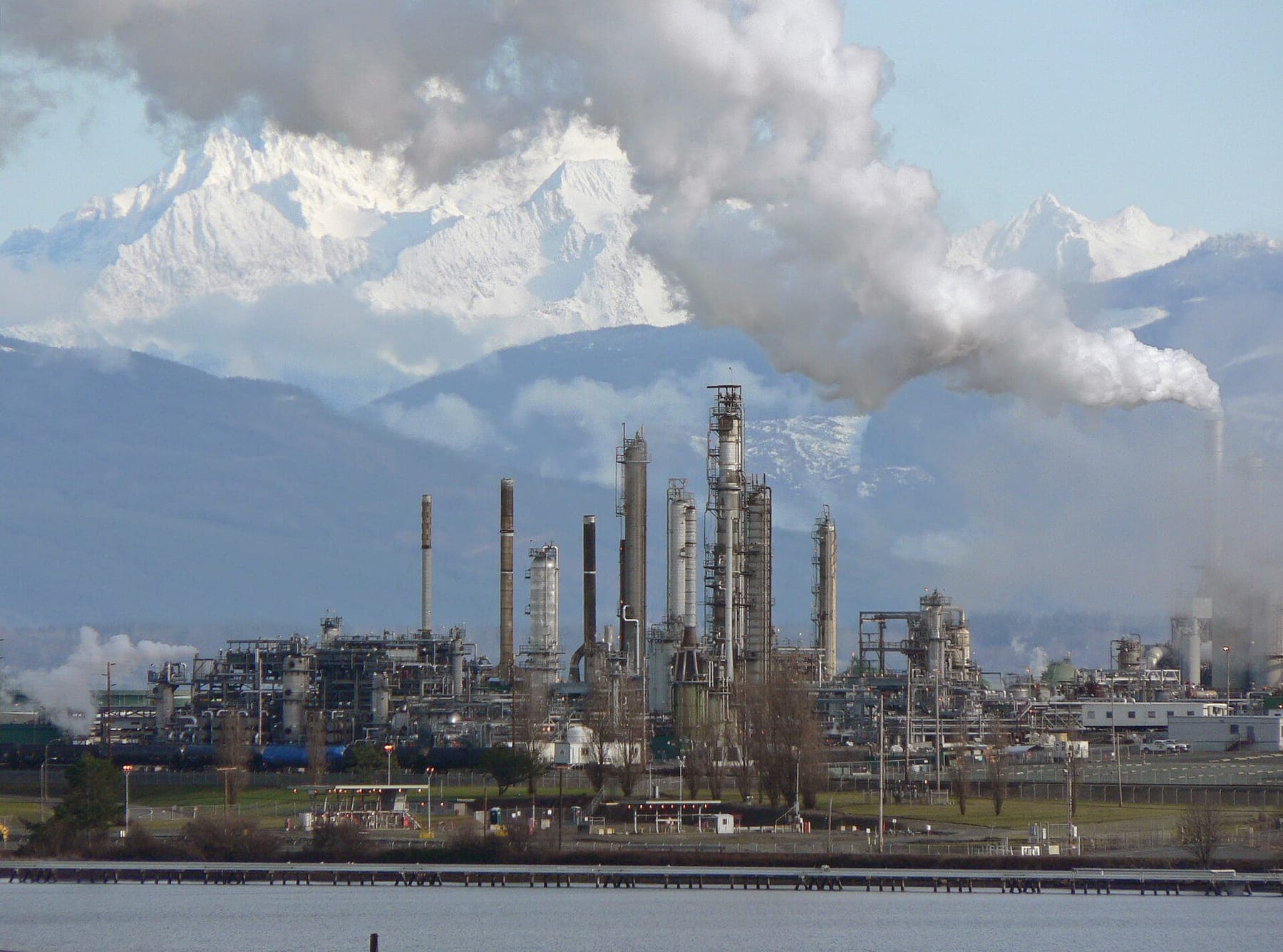
Origin
US Gulf and northwest Europe refineries
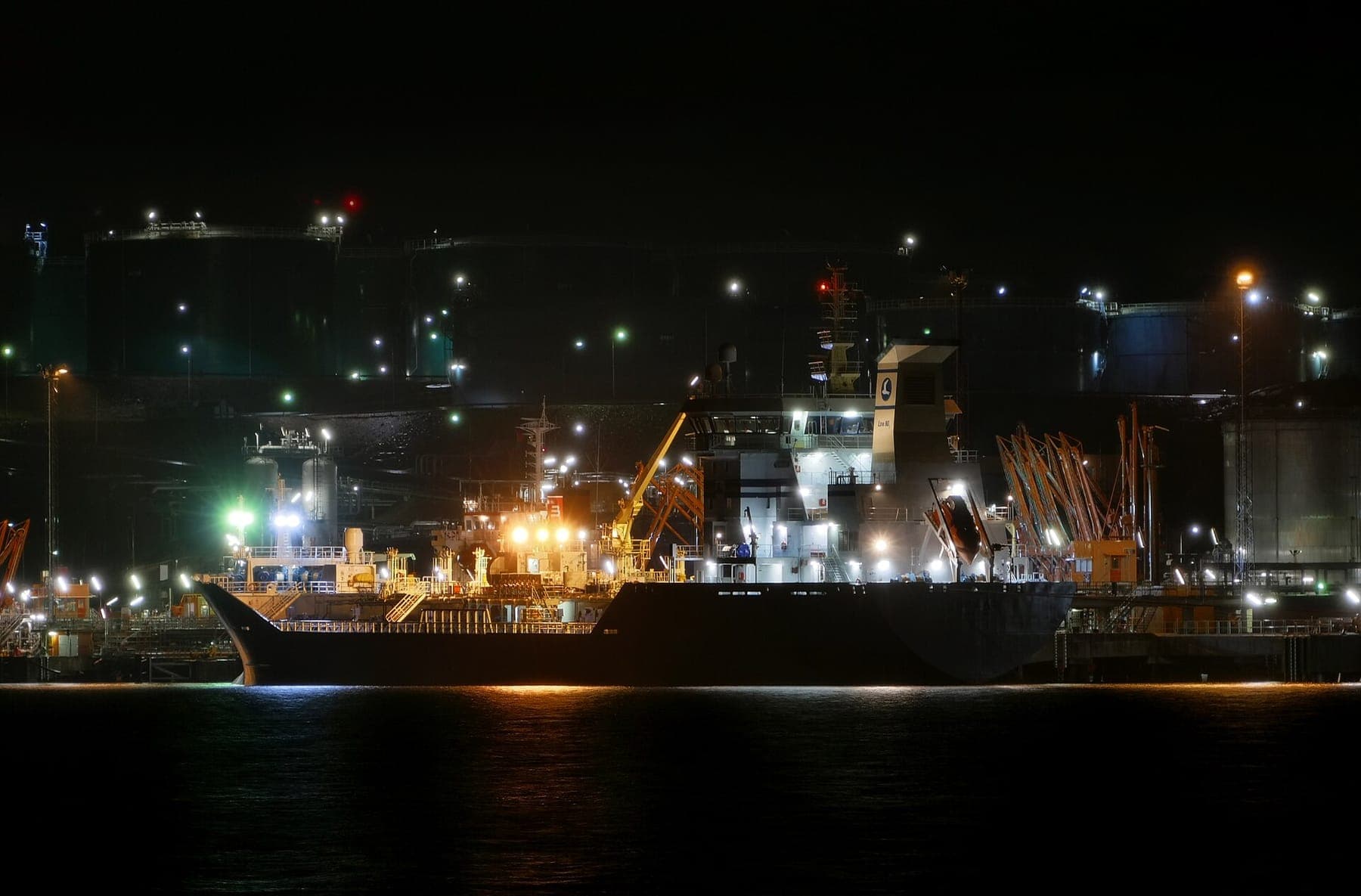
Transit
Product tanker, insured cargo, bonded storage
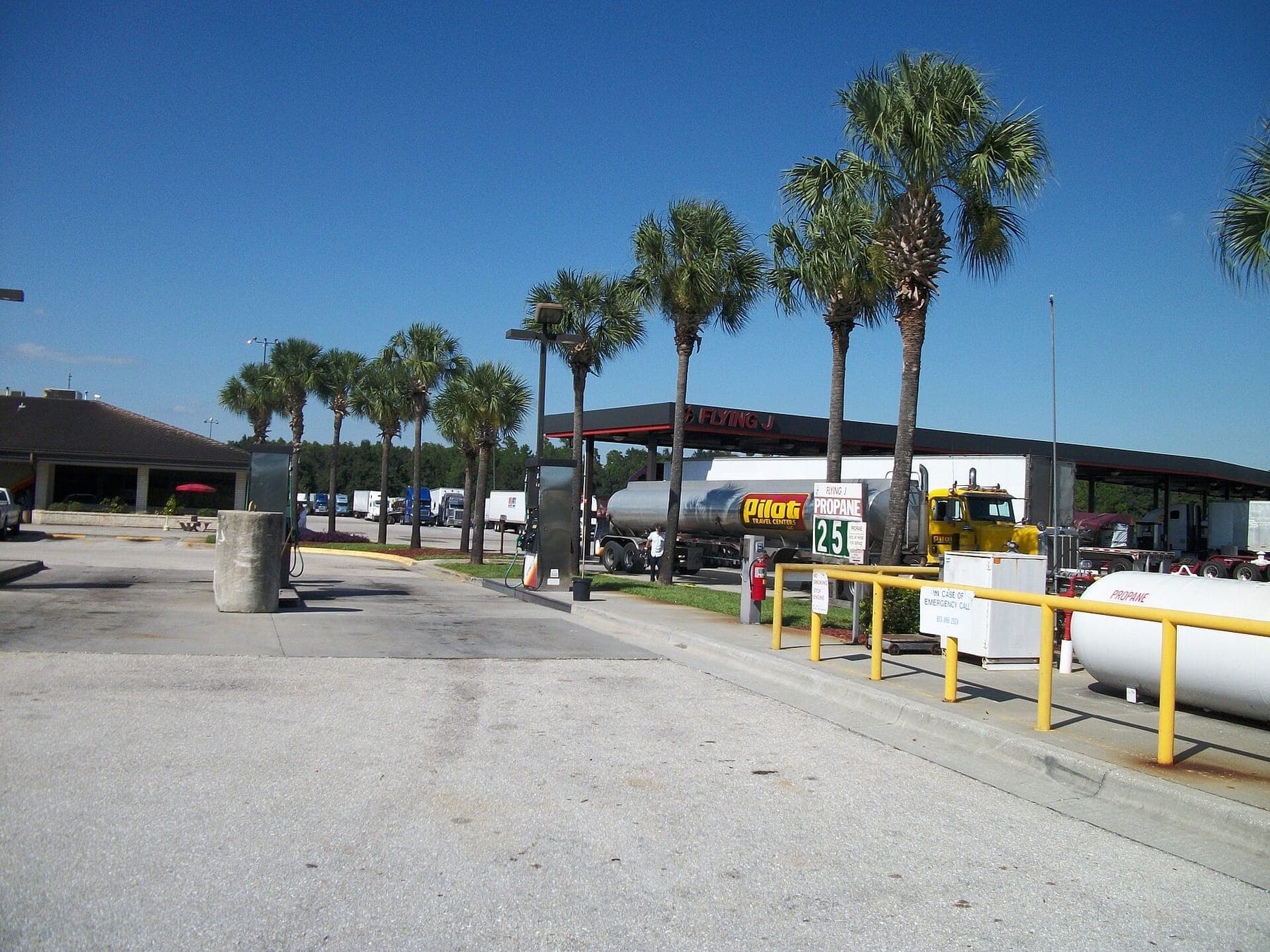
Last mile
Distributors, cooperatives and farm tanks
The money goes round, and the circle gets bigger.
One full turn of the model at the hard cap. Principal always returns to the treasury; only realised profit is split.
Raised into the operation treasury. Fixed supply, fixed price, no later rounds at a discount.
3–10M litres per cycle, 7–10 days per cycle, buyer contracted before the cargo moves.
Straight back to the treasury, ready to fund the next cargo.
The only pool that gets split.
$1.25M
Dividend vault
Paid to ALE holders in USDC, pro-rata, every quarter.
$1M
Operating partners
Trading desk, logistics and risk teams that run each cycle.
$250K
Operation treasury
Retained and compounded — the next cycle ships larger.
Ten per cent of every profit never leaves the operation.
That retained slice is the whole reason this is not a flat yield product. Supply is capped at 100,000 ALE forever, but the treasury behind each token grows with every settled cycle. A larger treasury finances larger cargoes, and larger cargoes generate a larger profit pool for the same number of tokens.
Operation treasury per quarter · illustrative
- Holders are paid from realised profit, in USDC, four times a year.
- Operating partners are paid last in each cycle, not first — their 40% only exists if the cycle closes.
- The retained 10% is why the next cycle ships more litres than the last one.
Our ambition is to be
extremely boring.
High yield usually means hidden risk. Here the yield comes from turnover, not from leverage — and the controls are the same ones a commodity bank would insist on.
Buyer signed before cargo moves
Purchase and sale prices are fixed in the same window. The desk does not take a directional bet on the price of diesel.
Cargo insured, loss-payee assigned
Every cycle carries marine and storage cover with the operation named as loss payee, so a physical incident does not become an investor loss.
Self-liquidating exposure
A cycle repays itself on delivery. There is nothing to refinance and no maturity wall — capital recycles every 7 to 10 days.
Counterparty KYC and limits
Buyers are screened, credit-limited and concentration-capped. No single offtaker can carry the whole book.
Treasury buffer that compounds
10% of every profit is retained. The buffer absorbs shocks and enlarges the next cycle at the same time.
Reporting you can audit
Volumes, settlement dates and distributions are published per cycle. The dashboard is the report.
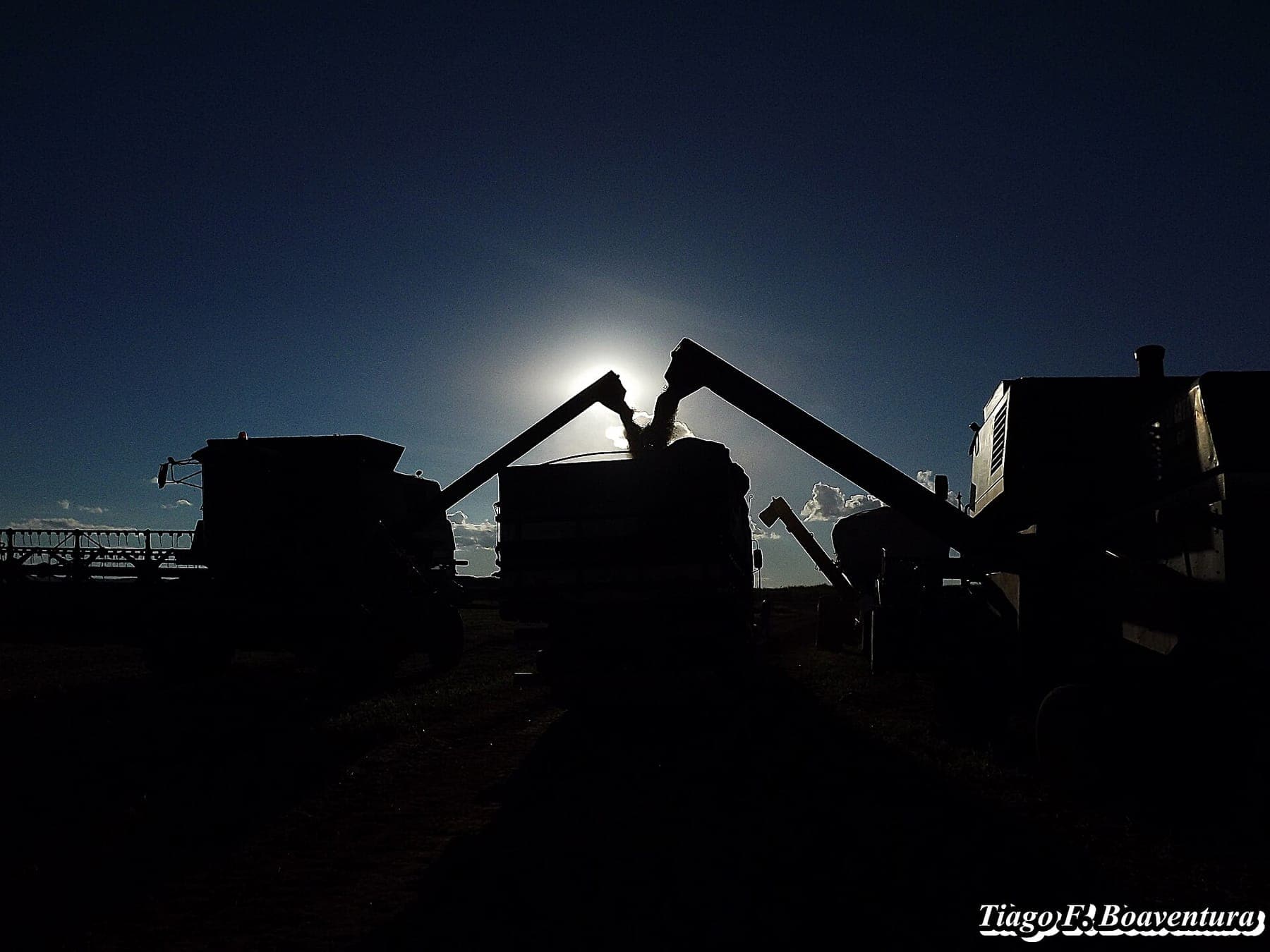
Brazilian agribusiness has always been financed from the inside. That is the part we are changing.
For decades the returns from moving fuel into the world's most productive farming country stayed with the handful of institutions close enough to touch it. ALE turns that position into 100,000 equal pieces and prices every one of them at $100. Whether you are in São Paulo, Singapore or Chicago, the entry requirement is the same: a wallet and USDC.
Start by connecting a wallet
Connecting takes a few seconds and signs nothing. It simply links your address to the position you are about to take.
Raised so far
$6.24M
Holders committed
2,140
Countries represented
41